With over a decade in procurement, I've handled hundreds of construction materials. In recent years, EPS cement walls have gained popularity in overseas projects—but honestly, I’ve encountered many issues along the way. Colleagues often ask me right away:
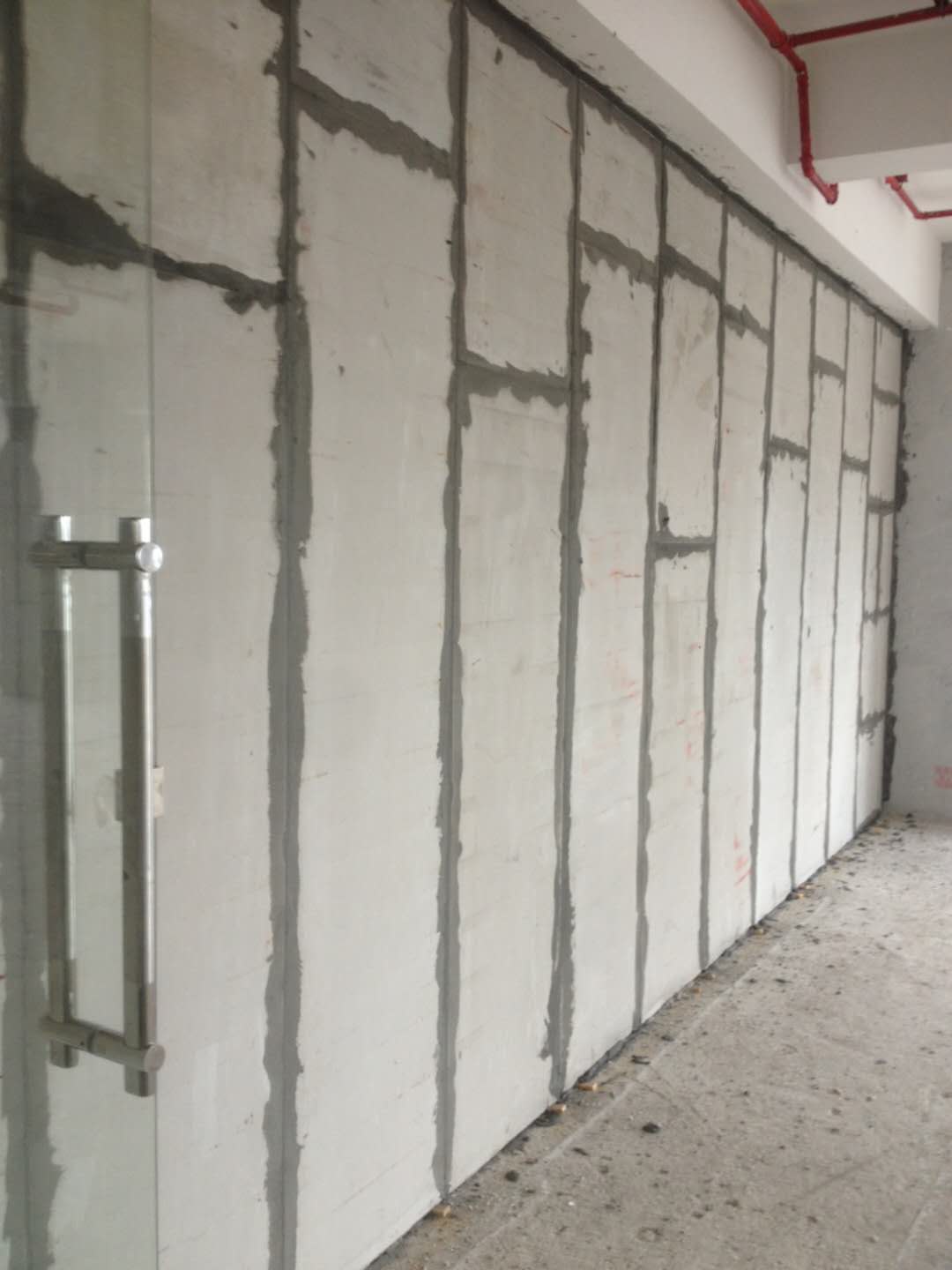
Why do EPS wall panels at construction sites frequently develop cracked joints? Why do boards warp halfway through delivery? Why do quotes seem cheap, only to end up more expensive when factoring in waste and rework costs? The root causes are simple: substandard material density, uneven cement layer thickness, and poorly compacted EPS beads in the core. For clients, it’s even worse—project delays go without saying, and they also face complaints from project owners.
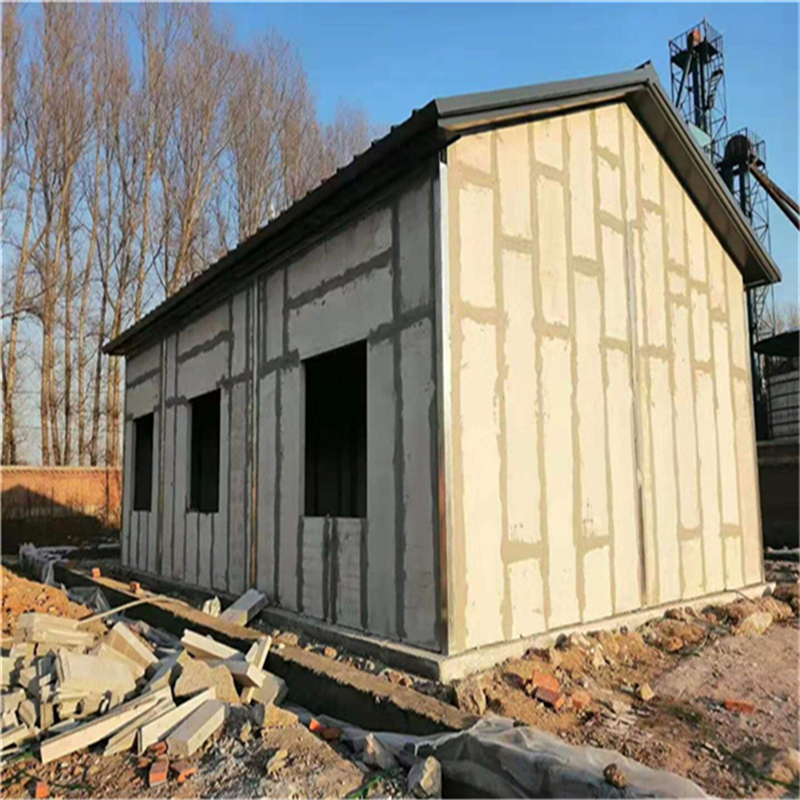
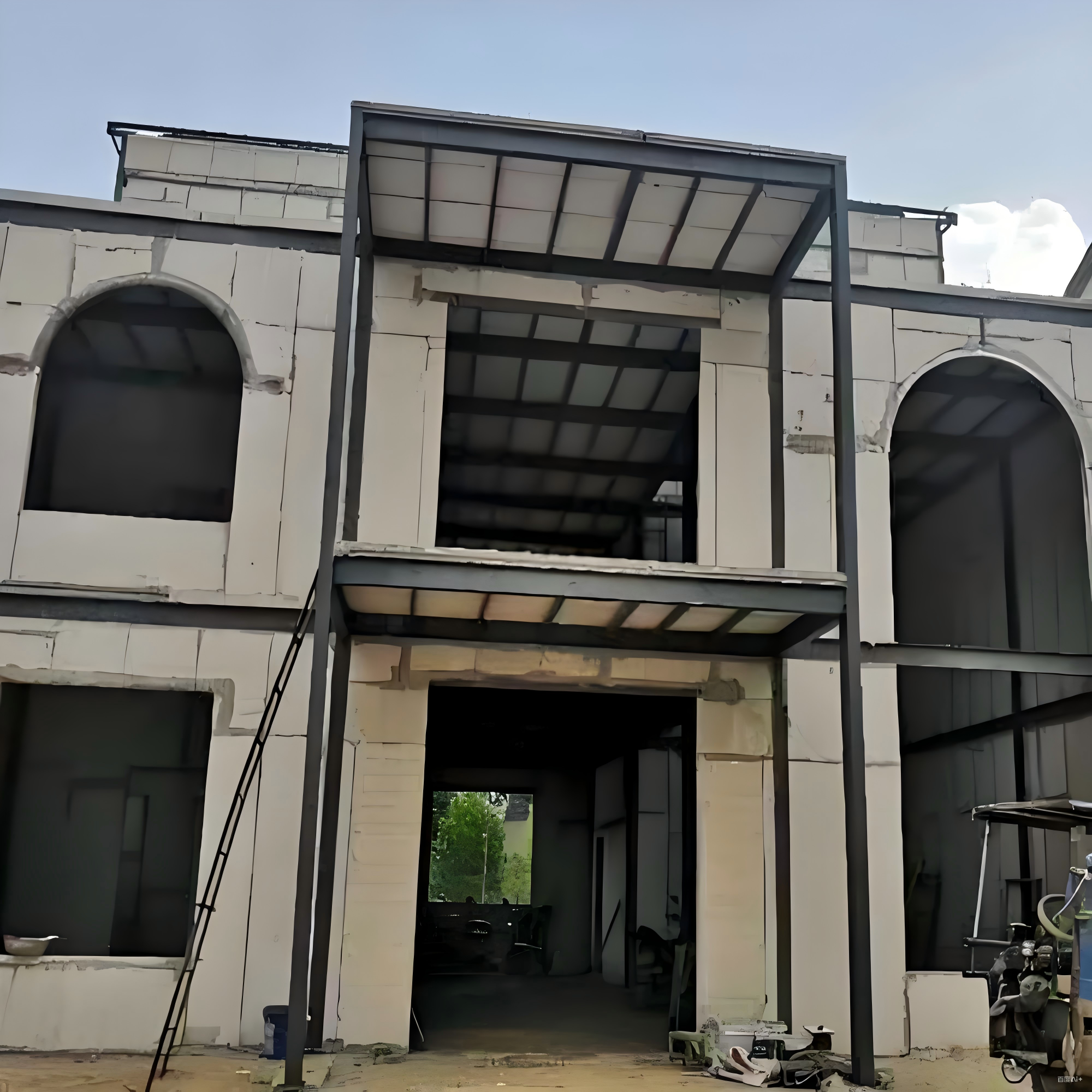
My solution at the time was simple: I directly approached Longer, a leading domestic manufacturer. Their approach to solving the problem was equally clear—focusing relentlessly on raw materials and manufacturing processes, replacing traditional manual casting with fully automated production lines. The result? In my Middle Eastern hotel project last year, we used Longer's EPS Cement Wall covering 5,000 square meters. Installers reported clean cuts and perfectly flat installation. Over a year later, not a single crack has appeared. Moreover, due to its lightweight nature, the structural load on the steel frame is significantly reduced. The client even sent an email specifically praising, "Finally, I don't have to keep running to the site to supervise repairs anymore."
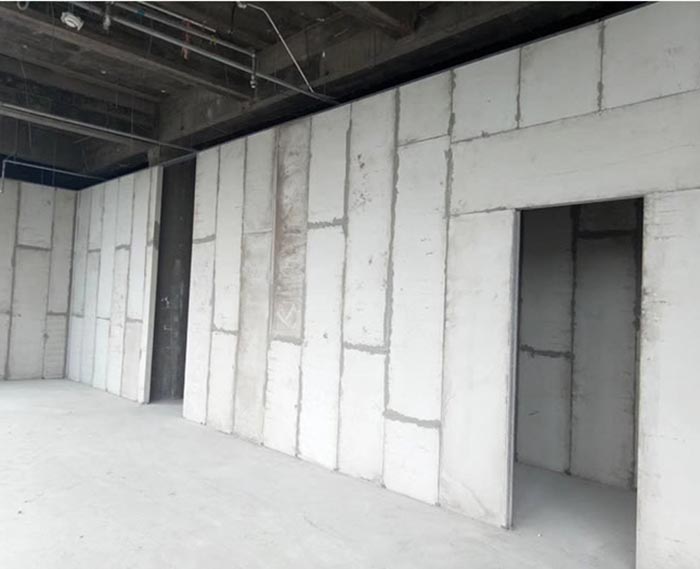
Let's talk about product value. This EPS Cement Wall is primarily used for partition walls and insulated exterior walls, especially suitable for overseas steel-structured buildings. It reduces construction time by three times compared to traditional aerated blocks and allows direct nailing or hanging of heavy objects without the need for pre-installed studs. Several construction teams I've worked with long-term now exclusively specify Longer products because they've found that the boards have a low breakage rate during transportation—every bit saved translates into profit.
Speaking of this, let me briefly mention two other products in our portfolio: SPC Flooring and PVC Wall Panels. Many overseas B2B customers tend to purchase all three together—using PVC Wall Panels for waterproofing bathroom walls, installing SPC Flooring on the floor for durability, and employing EPS Cement Walls for insulation and soundproofing in partition walls. These three Longer products work well together, making warehouse handling convenient. I often tell new clients: if you want to save time and effort, just order all three in one container, and I can even label the unloading sequence for you.
Product Features:
High Crack Resistance: EPS granules are pre-expanded and compressed into shape with cement mortar in one step, resulting in minimal internal stress and no cracking throughout the entire panel.
Precise Dimensions: Length and width tolerances are controlled within 1mm, with on-site cutting waste below 2%, saving labor.
Fireproof Class A: The core layer is self-extinguishing EPS, covered by a 15mm thick cement surface layer that extinguishes automatically when removed from flame, passing British standard fire tests.
Tips: ① For bulk orders, always request manufacturers to arrange panels according to container dimensions. Longer provides free container layout diagrams, reducing shipping costs by over 10%.
② For overseas construction, pay attention to adhesive selection: ordinary white cement mixed with glue tends to peel off; we recommend using specialized two-component bonding mortar—Longer offers free formulation support.
Simply put, in procurement you need to spend money where it counts. Over the years, I've tried other brands, but when it comes to consistent quality control and after-sales support, Longer has never let me down. If you're stocking up for overseas construction sites, I recommend directly requesting their latest test reports and project references—this way you can avoid the hassle of factory inspections yourself.