Anyone working in exterior insulation knows the biggest nightmare: tiling over insulation layers, only to have the tiles loosen and detach after just a couple of years. This is especially true when using XPS (extruded polystyrene) boards as insulation— their extremely smooth surface prevents cement mortar from adhering properly, causing tiles to become loose within days. The most frustrating issue for clients is finishing the insulation layer only to find that tiling fails, resulting in rework costs higher than starting over. Some projects use all-ceramic glazed tiles, so slippery they resemble mirrors—standard installation methods simply can't hold them securely. For even more demanding applications, people want to install marble or rock slabs directly onto insulation boards. But due to the heavy weight of stone, the insulation board can't bear the load, eventually causing entire slabs to fall off over time—a risk that goes far beyond financial loss.
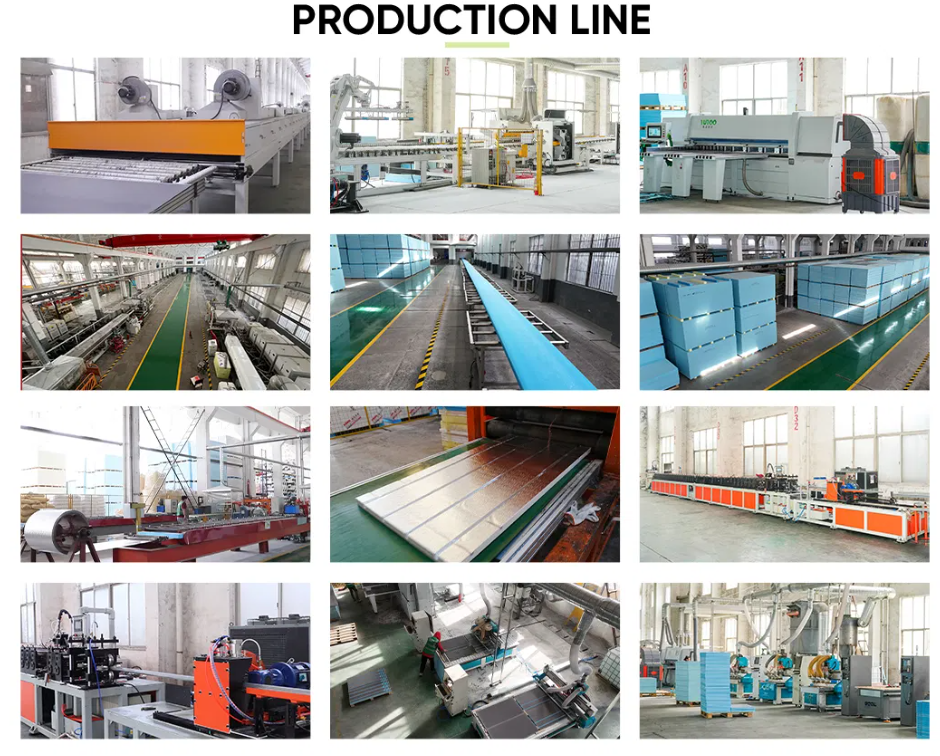
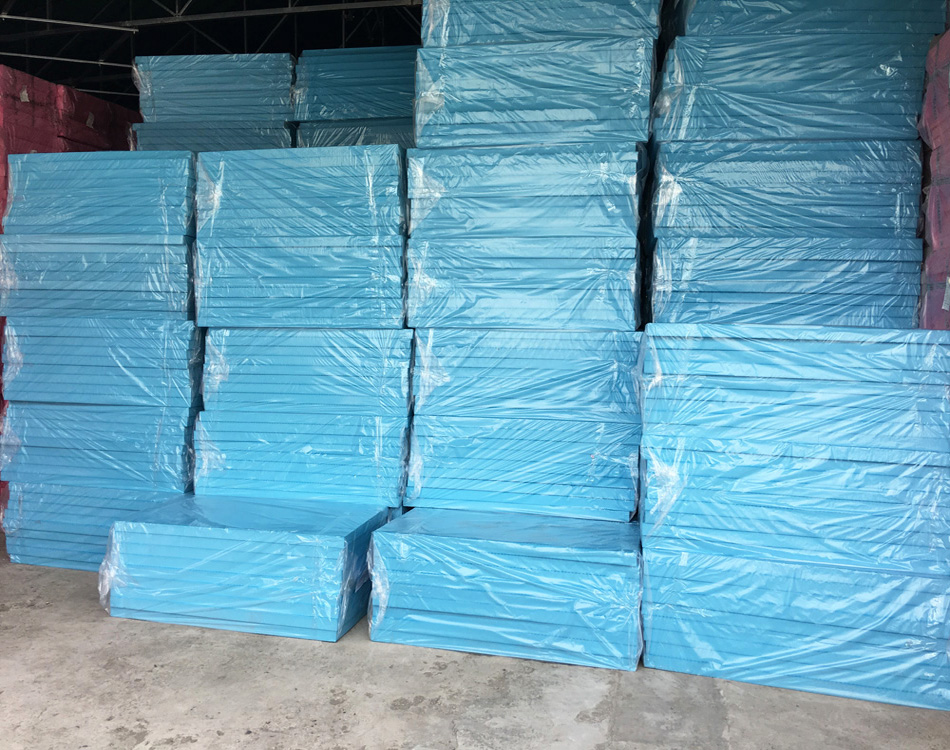
Our LONGER team conducted extensive on-site testing and found that the root cause of the problem lies not in the tiles or stone, but in inadequate surface treatment of the insulation board. XPS boards are inherently dense and smooth, preventing cement mortar from penetrating. As a result, bonding strength relies solely on minimal physical friction—how long can that last? That's why we developed this specialized XPS backer board: essentially, we create a textured, rough surface on the XPS board before it leaves the factory, specifically designed for tiling and stone installation. When applied to XPS (Extruded Polystyrene Board), the backer features built-in grooves and ridges that allow cement mortar to grip firmly, creating a bond so strong it feels like the materials have grown together once cured. Using this backer board with all-ceramic glazed tiles—even large-format glazed tiles—ensures they remain perfectly stable on walls without shifting. When installing marble or rock slabs, there’s no longer any need to worry about the weight crushing the insulation layer; the backer evenly distributes stress, keeping the stone as steady as a mountain.
Customer feedback is the most telling: previously, after tiling and a half-month curing period, we still had to tap occasionally to check for hollow spots. Now, using LONGER backer boards, with normal construction and just seven days of curing, when I tap it myself with a hammer, the sound is solid—no hollow areas at all. Moreover, the insulation performance remains completely unaffected—effective thermal insulation where needed, and excellent soundproofing where required. Its application is clear: wherever tiles or stone cladding are used in exterior wall insulation systems, this product can be applied. In one sentence, its value lies in making insulation layers suitable for tiling—and ensuring the tiles stay firmly attached.
Product Features:
① Mechanical interlocking texture: The surface is not coated but features physically pressed grooves and ridges, allowing cement mortar to penetrate the gaps and create strong bonding.
② Waterproof and freeze-thaw resistant treatment: The edges of the back panel are sealed, protecting the adhesive layer from rainwater and freeze-thaw cycles, ensuring long service life.
③ Integrated interface agent: Comes with a pre-applied interface treatment at the factory, eliminating the need for additional primer—mortar can be applied directly after installation.
Tips:
① Before tiling, blow off the dust from the back of the board—don't wipe with a damp cloth, as excess moisture can weaken adhesion.
② When installing large stone slabs on walls, use double-sided tape to temporarily secure them, then remove it after the mortar has cured to prevent slippage or displacement.
Insulation tile installation is most prone to tile detachment. LONGER XPS backing board effectively solves the long-standing problem of poor adhesion on insulation layers, saving time and effort.