

Rock slabs and marble tiles: who will end the “eternal struggle” of home decoration materials?
When the cold texture of natural stone and the subtle craftsmanship of artificial imitation meet in the decoration scene, the field of home decoration materials is brewing an unprecedented pattern of remodeling. With the environmental storm sweeping through the construction industry, the duel between traditional rock slabs and emerging marble tiles is evolving from an aesthetic preference to a deep game of technological revolution and consumer ethics.
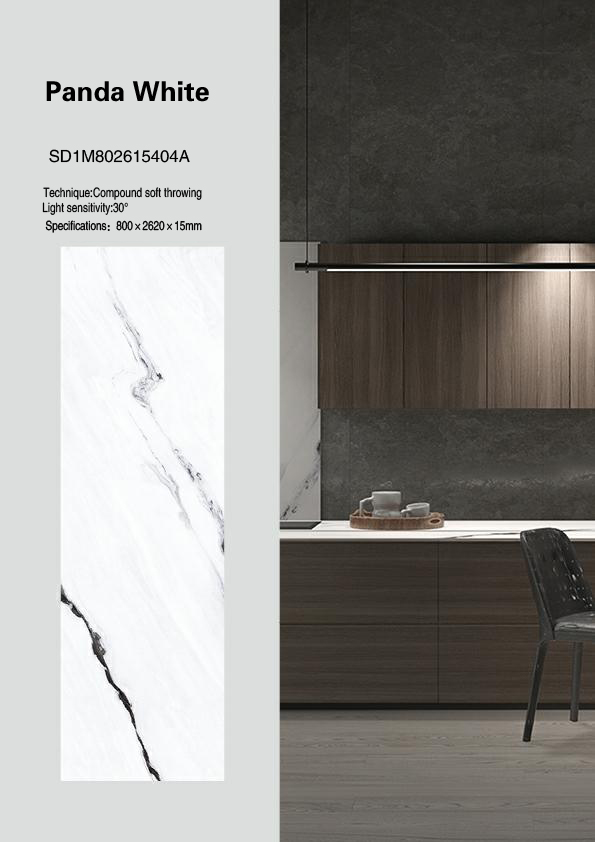
The stubborn persistence of natural texture
In the exhibition hall of Milan Design Week, the whole rock slab weighing two tons can still take the breath away from the viewers. This natural miracle mined from the depths of the earth's crust, each grain is the code of hundreds of millions of years of geological movement." Each piece of stone is an unrepeatable work of art,“ said Chen Ming, a veteran stone dealer, showing the course of the veins of the Brazilian Amazon Blue, ”Top designers are not using it, because AI can never replicate this natural randomness."
But behind the halo is a heavy price. Dust pollution in Italy's Carrarola mine has prompted the local government to introduce mining restrictions, and transportation costs have increased granite prices by 15 percent a year." Cutting a piece of stone takes three hours of electricity, while tiles are fired in just 45 minutes", comparative figures from environmental organizations are changing the choices of young homeowners.
Tipping point in the era of carbon neutrality
The latest revisions to the EU building code are seen as a watershed." Natural stone's full life-cycle carbon emissions are 2.3 times that of ceramic tiles,“ says a professor of architecture at Tongji University, pointing out the key statistic, ”When LEED certification becomes standard for buildings, material choice is no longer a matter of aesthetics."
But the story is not yet over. Swiss architectural firms are developing recyclable composite stone, while tile giant Marco Polo has launched a series of “eco-rock panels” that claim to have achieved zero formaldehyde release and 95% recycling of raw materials. The two camps are blurring the boundaries and pointing to the coordinates of a sustainable future.
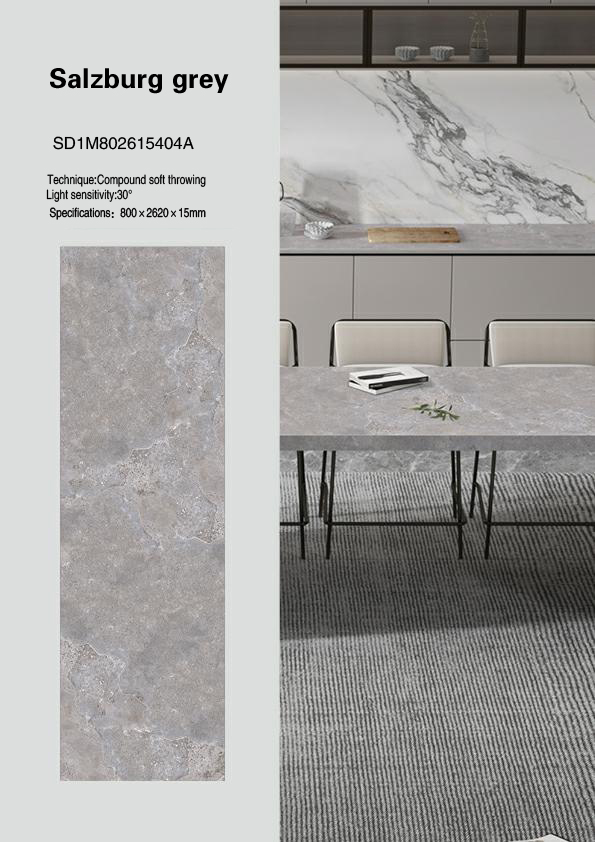
When AI-generated marble veins can be faked, and when the geological wheel of time is digitized and permanently archived, this millennium-long material battle may be moving towards convergence. As Kengo Kuma said, “A truly good material is not a fight against nature, but a reconciliation with time.” Standing at the crossroads of technology and ethics, the choice in the hands of consumers will ultimately determine the ultimate form of home improvement materials.