

Is the “rock slab” boom a cross-border “robbery” artifact or just a flash in the pan?
In various home furnishing exhibitions at home and abroad in the past two years, natural stone, artificial stone, quartz stone and even glass, metal and other materials traditionally used in home furnishing fields such as cabinets, wardrobes, door panels, and tabletops have been replaced by a dark horse that has emerged out of nowhere and swept the field of large home furnishing and customized home furnishing. It is - rock slabs.
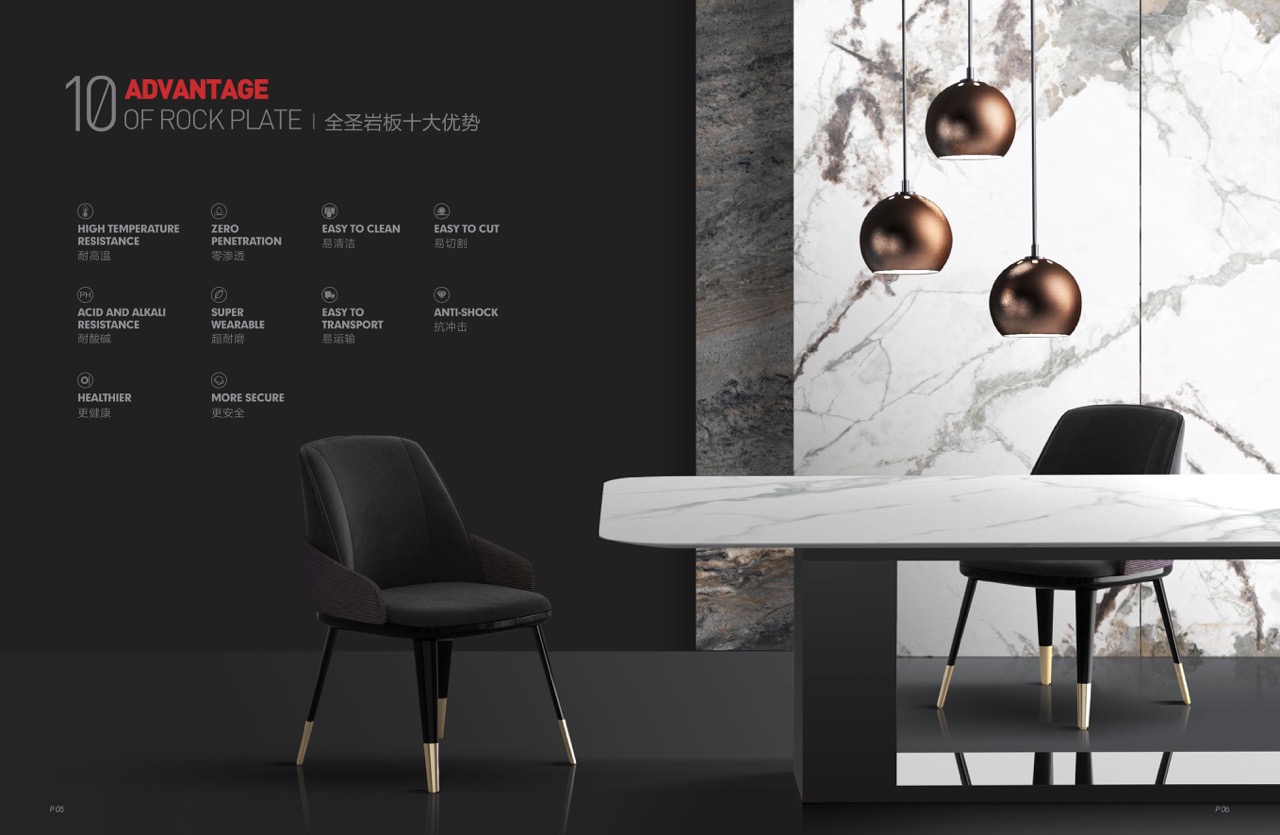
What is a rock slab?
There is no clear definition and standard for rock slabs in the ceramic industry. At the recent Lishi Rock Slab Conference, Ferona Chen Gaozhao introduced that there are several schools of thought in interpreting the definition of "rock slab": size theory, rock slab refers to ceramic slabs with a size of 1200×2400mm or more; water absorption theory, ceramic slabs with a water absorption rate of less than zero; molding theory, ceramic slabs formed by roller pressing or belt (mainly implying molding with Italian ceramic slab equipment, and ceramic slabs formed by dry pressing are not accepted).
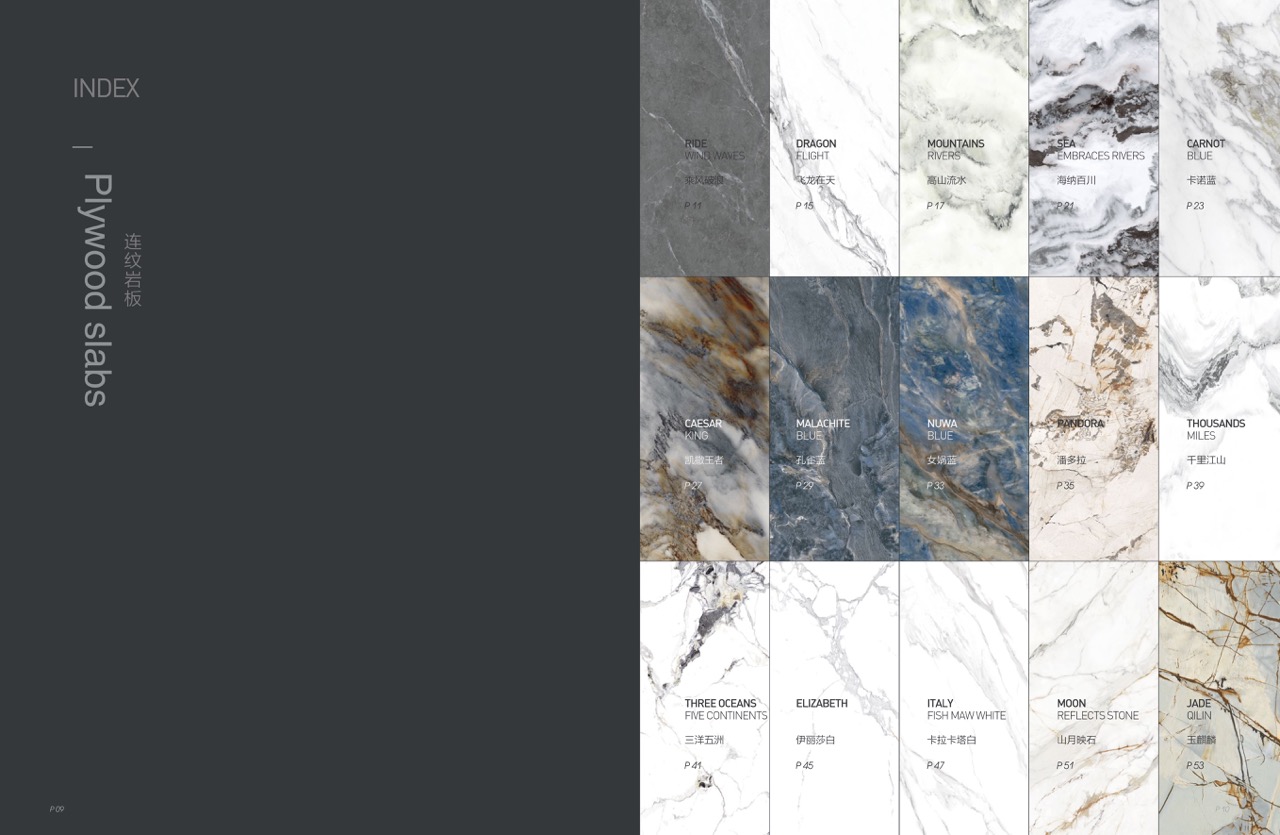
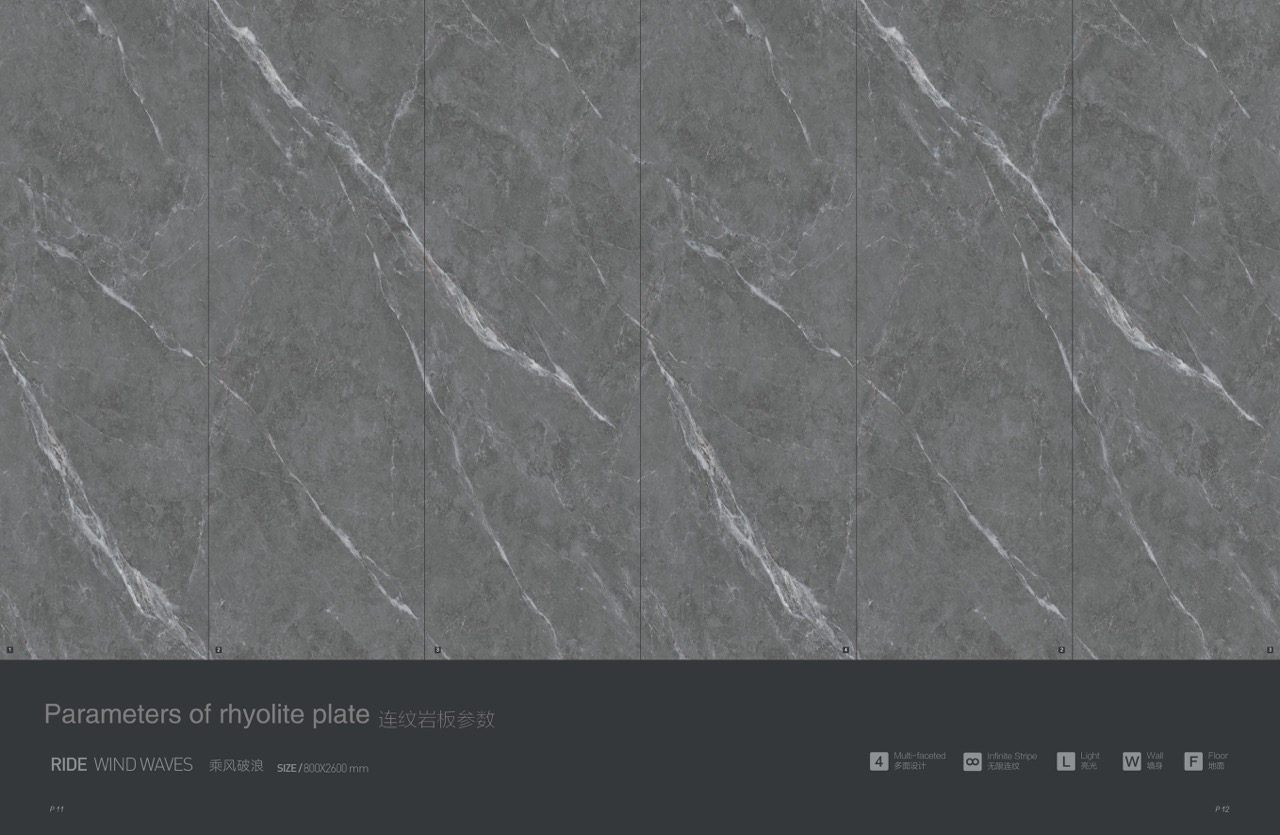
Industry professionals said that compared with traditional ceramic tiles, rock slabs can not only be used for floor and wall paving, but also for cabinets, furniture and other fields, breaking through the limitation of traditional ceramic tiles being used purely for floor and wall decoration, and truly becoming a plate material; and the weight of rock slab countertops is less than 1/3 of traditional ceramic tiles. Traditional ceramic tiles weigh 23-27kgs/㎡, while ultra-thin rock slabs weigh only 7kgs/㎡, and their thickness is only 1/3 of traditional ceramic tiles. The large size and continuous grain effect of rock slabs make them more high-end and elegant than traditional ceramic tiles.
Changing the competitive landscape of the ceramic industry?
The emergence of rock slabs seems to have allowed the domestic building materials industry to discover an untapped market area. For ceramic people, rock slabs are different from traditional ceramic tiles in terms of production process and application methods. They are a disruptive innovation. When ceramic people take the lead, they can quickly expand the market and expand the application scope of the ceramic tile industry.
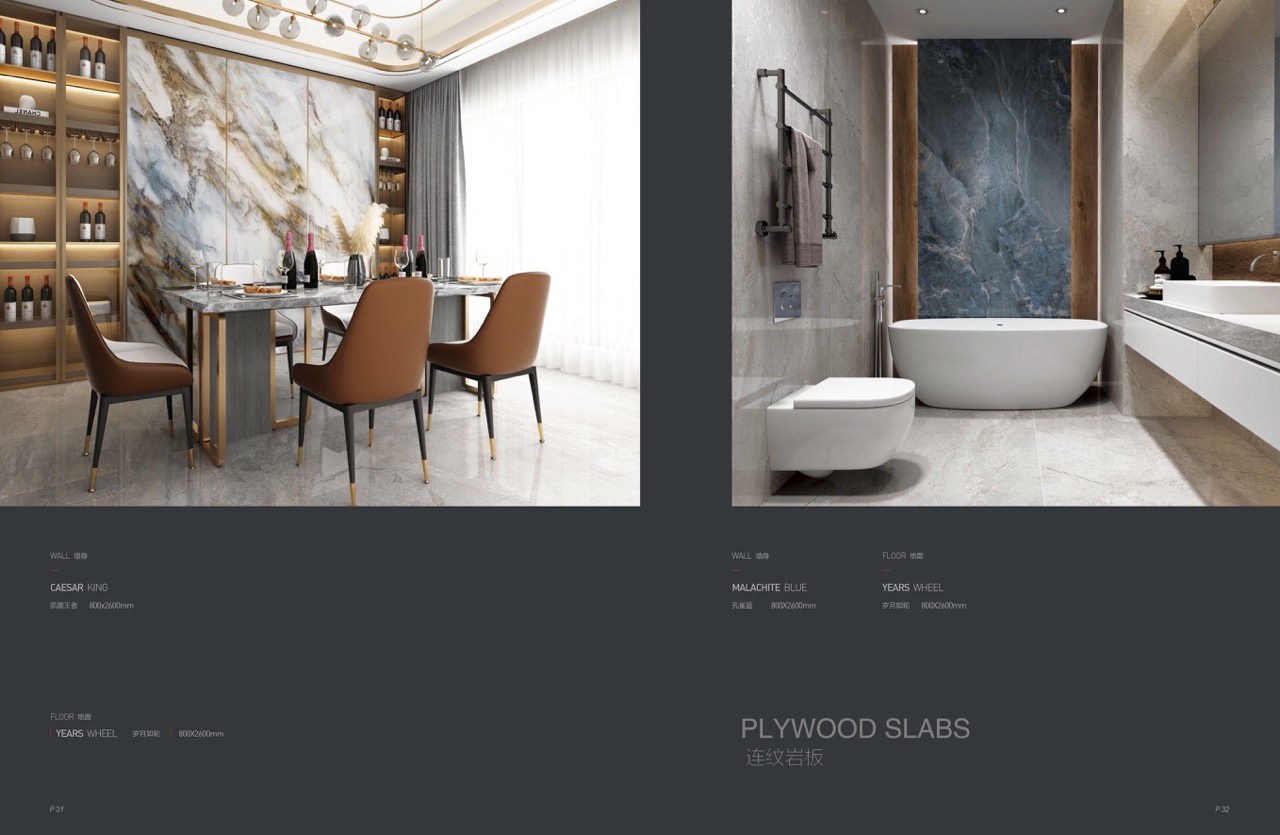
Stone slab manufacturers can work hard in four aspects:
First, improve the process, method and concept of product design;
Second, pursue design and craftsmanship to the extreme;
Third, in terms of marketing, dealers should have a clearer market plan, change the thinking of selling only one material to the marketing thinking of home customization, and provide dealers with more professional services and training;
Fourth, improve artistic literacy and aesthetics. For example, improve the level of booth design.